- it'smejaimie
- Posts
- Rave Dances at Anime Midwest: Controlled Chaos Done Right
Rave Dances at Anime Midwest: Controlled Chaos Done Right

Jamie Colman
January 31, 2026
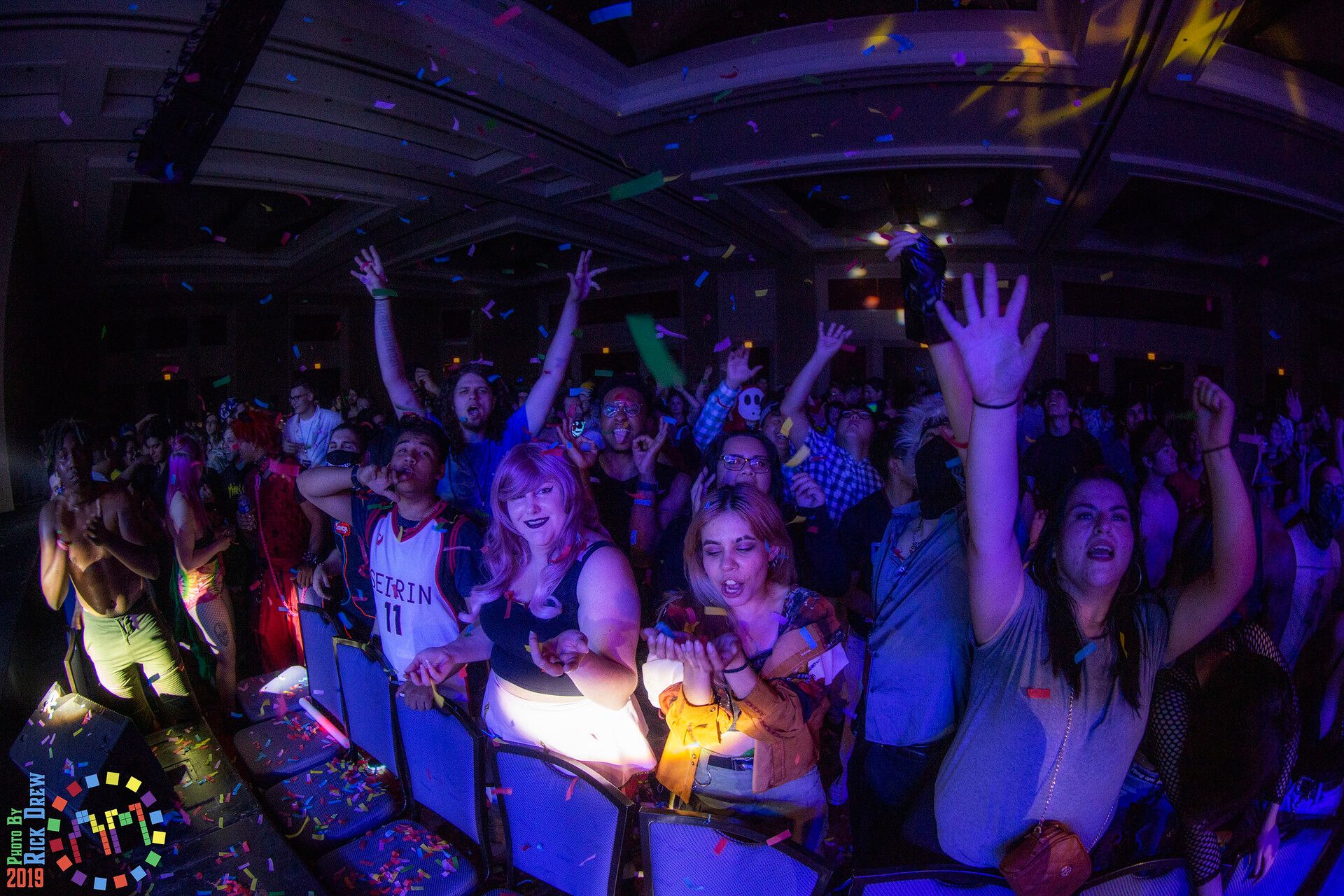
If you hear “anime con rave” and immediately picture a dark room full of sweaty strangers flailing to music you didn’t consent to, let’s gently unpack that assumption—because Anime Midwest’s rave dances are not random chaos. They’re intentionally designed experiences, and that difference matters a lot, especially if you’re new to conventions or unsure whether high-energy nighttime events are your thing.
Anime Midwest runs July 3–5, 2026, at the Donald E. Stephens Convention Center in Rosemont, Illinois, just outside Chicago and right by O’Hare. It’s a three-day, family-friendly anime convention with well over 100 events, and the rave dances are only one piece of a very thoughtfully built weekend. They’re popular, yes—but they’re also structured, curated, and surprisingly approachable when you understand how they work.
What Anime Midwest Means by “Rave” (and What It Doesn’t)
Let’s clear this up early: Anime Midwest rave dances are not free-for-all parties that just happen because someone plugged in speakers. They’re scheduled, staffed, and designed with intent.
The convention brings in curated DJs, including familiar con favorites like Greg Ayres and YTCracker, along with other guest DJs who understand anime crowds. The music isn’t a single genre blasting for hours—it’s a mix that could move through EDM, hardstyle, techno, trance, jumpstyle, and yes, maybe some dubstep if the mood fits. The goal isn’t to overwhelm people; it’s to keep energy high without flattening everyone’s ears.
Sound quality is taken seriously. Good speakers, clean mixing, and volume levels that feel powerful without turning the experience into a headache marathon. Lighting is dramatic enough to feel exciting, but not chaotic to the point where you feel disoriented. And crowd flow is managed so you’re not stuck in a human bottleneck every time you want water or air.
In other words, this is controlled chaos—and that control is what makes it enjoyable instead of exhausting.
Friday and Saturday Epic Dances: Same Vibe, Different Energy
Anime Midwest typically runs its biggest dances on Friday and Saturday nights, and while they’re both “Epic Dances,” they don’t feel identical.
Friday tends to feel like a release valve. People have just arrived, badges are fresh, cosplay is still mostly intact, and everyone’s buzzing with that “I’m finally here” energy. The crowd might be a little looser, a little sillier, and full of people testing the waters—maybe dancing hard for a few songs, then stepping back to watch.
Saturday often turns up the intensity. By then, attendees know the space, know the DJs, and feel more comfortable going all in. Cosplayers show up in glow-heavy outfits, LED accessories, or simpler looks that are easier to move in. You’ll see tighter dance circles, more synchronized jumping, and people who’ve clearly been waiting all day for this moment.
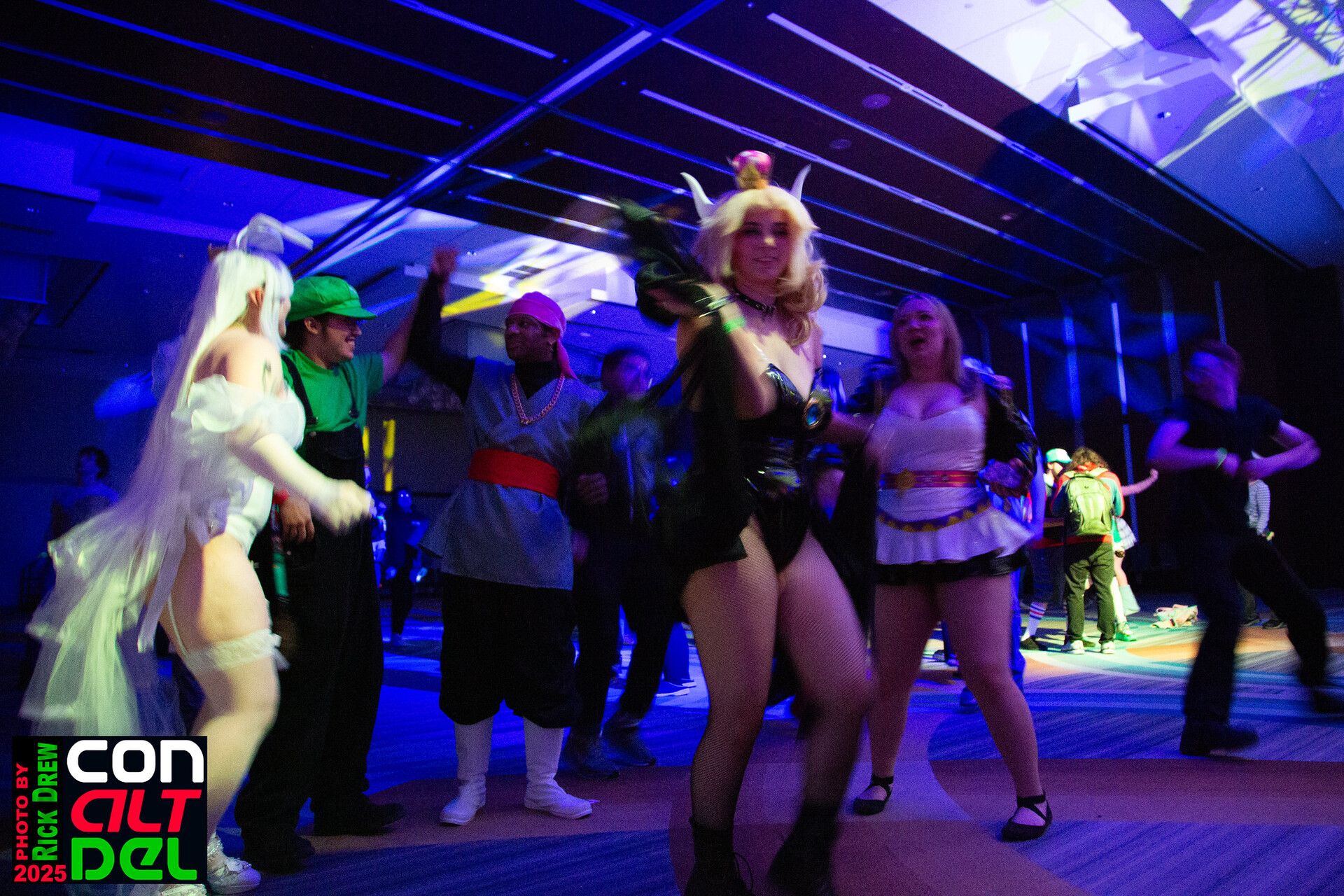
If you’re unsure about rave dances, Friday might be your “dip a toe in” night, while Saturday is for committing—or confidently deciding it’s not your scene and heading to karaoke instead.
One thing Anime Midwest does well is not treating any single event like the only reason to attend. The rave dances are exciting, but they’re intentionally part of a much larger ecosystem.
During the day, the convention is packed with experiences that couldn’t feel more different in tone—and that contrast is the point.
The Exhibit Hall is where you’ll likely spend hours without realizing it. Vendors sell everything from anime figures and apparel to snacks, DVDs, cosplay accessories, and fandom merch you didn’t know you needed until you saw it. Artist tables add a completely different flavor, with handcrafted art, prints, pins, stickers, and one-of-a-kind items you won’t find online later. It’s loud, busy, and fun—but also something you can do entirely at your own pace.
The Grand Cosplay Competition is a must-see even if you’ve never worn a costume in your life. This isn’t just about flashy outfits—it’s about craftsmanship, stage presence, and creativity. Watching contestants perform gives you a crash course in what cosplay can be, and the production quality makes it genuinely engaging for the audience.
Then there are cosplay photoshoots, which are more relaxed and social. These are scheduled meetups for specific fandoms where people gather to take photos, trade tips, and admire each other’s work. If rave dances feel too intense, photoshoots are often the opposite: calm, collaborative, and welcoming.
Escape Rooms: Structured Fun With a Narrative Twist
If you like immersive experiences but prefer problem-solving over dancing, Anime Midwest’s escape rooms are a standout.
“The Cabin of the Cackling Man” leans into creepy storytelling, pulling players into a mystery involving a cursed video game and occult ritual. It’s atmospheric without being overwhelming, and it rewards teamwork more than speed.
“Isekai Fantasy: Crypt of the Warlock Fiend” is on another level entirely. Players are transported into a fantasy world and assigned roles—Wizard, Ranger, Bard, Thief, and more—often influenced by their cosplay. Each role has unique abilities, and solving the room requires collaboration. It’s structured, imaginative, and deeply nerdy in the best way.
These experiences highlight the same thing the rave dances do: Anime Midwest designs events with intention, not randomness.
Concerts, Stage Shows, and Why Production Quality Actually Matters
Concerts at Anime Midwest tend to sneak up on first-timers in the best way. People often circle them on the schedule as a “maybe,” then walk out wondering why they didn’t plan their entire evening around them. A big reason for that is simple: the convention doesn’t treat concerts like filler.
Anime Midwest invests in real production value. We’re talking solid lighting setups, clear sound, and staging that makes performances feel intentional rather than improvised. You’re not straining to hear vocals over blown-out speakers or squinting into darkness to figure out who’s on stage. The audio is balanced, the lighting hits when it should, and the overall effect is immersive without being overwhelming. That polish matters more than people realize—especially after a long con day when your tolerance for chaos is already low.
Musically, the range keeps things interesting. You might hear anime theme covers that spark instant nostalgia, followed by genre-blending sets that pull from rock, electronic, pop, or something delightfully unclassifiable. The performers bring real energy, and the crowd feeds off it. Even if you don’t know every song, it’s easy to get caught up in the vibe and just enjoy the moment.
Stage shows stretch far beyond concerts, and this is where Anime Midwest really flexes its creativity. Interactive game shows invite audience participation, which means you’re not just watching—you’re yelling answers, cheering strangers on, and laughing at things going wildly off-script. These events are high-energy without being stressful, and they’re especially fun if you like a little unpredictability.
Then there are adult-oriented performances like Forbidden Fandom Dames’ burlesque, which blend humor, fandom references, and polished choreography into something that feels celebratory rather than gimmicky. It’s playful, confident, and very aware of its audience. These shows aren’t about shock value—they’re about performance and personality.
Guest presentations and special stage panels add another layer. These don’t feel like lectures or stiff Q&A sessions. Instead, they’re designed to be engaging, approachable, and entertaining, whether a guest is sharing industry stories, answering fan questions, or just vibing with the crowd. Even if you’re not deeply familiar with the guest, the atmosphere makes it easy to stay interested.
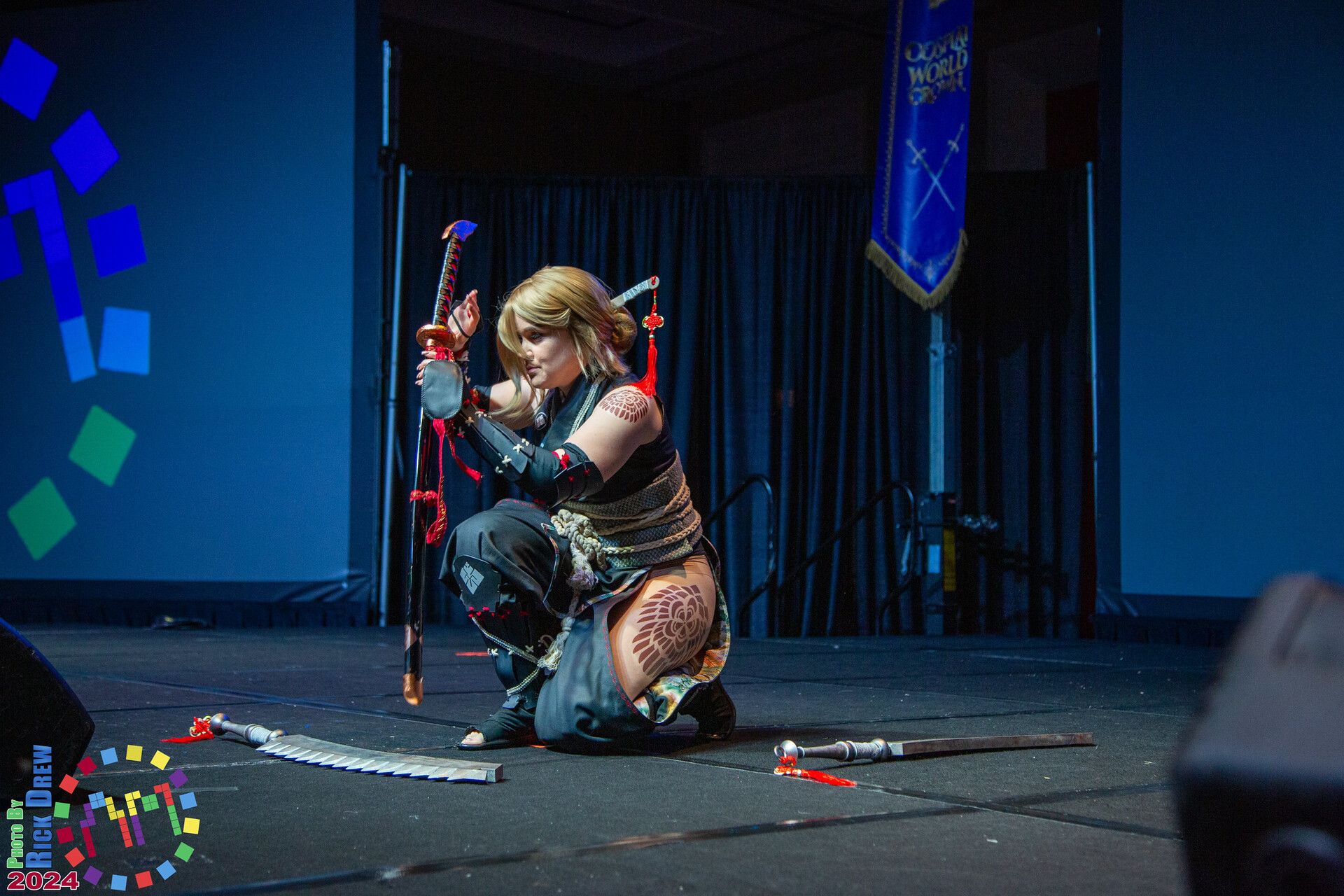
Anchoring all of this is the Grand Cosplay Competition, which acts as the centerpiece of the stage schedule. It’s the big draw, the moment everyone plans around—but it doesn’t exist in isolation. Because it’s surrounded by concerts, shows, and interactive events, the stage never feels like it’s repeating itself. One hour you’re watching craftsmanship and performance collide; the next, you’re laughing at a game show or dancing along to live music.
That variety is what keeps the main stage feeling fresh instead of exhausting. You can pop in for a single event or camp out for an entire evening and still feel entertained. Anime Midwest understands that stage programming isn’t just about having something happening—it’s about making sure whatever’s happening is worth your time.
And once you experience that level of production and variety, it’s hard to go back to cons where the stage feels like an afterthought.
Karaoke, Videogaming, and Low-Pressure Social Spaces
Not every nighttime event requires dancing—or even watching.
Karaoke Krypt is a fan favorite because it’s participatory without being intimidating. You can sing, cheer for friends, or just sit back and enjoy the chaos. Anime openings, J-pop, meme songs—it’s all fair game.
The videogaming area and arcade room offer another kind of energy entirely. DDR, Taiko Drumming, console tournaments, and casual play create a social atmosphere that’s competitive but friendly. You’ll see people drifting in and out, cheering strangers on, and bonding over shared button-mashing failures.
Fan-Run Panels: Where Curiosity Takes the Wheel
One of the easiest parts of Anime Midwest to underestimate—and one of the easiest to fall in love with—is the fan-run panels. On paper, they look simple: rooms, chairs, a host with a mic. In reality, they’re where the convention quietly turns into a choose-your-own-adventure.
Because these panels are submitted and hosted by attendees, they aren’t limited to anime breakdowns or fandom trivia (though you’ll absolutely find those, and they’re usually packed). The real magic is that fans bring their whole lives with them—not just the nerdy parts. That means walking into a panel room can feel a little like opening a mystery box.
You might plan to attend something cosplay-related and instead find yourself sitting in on a surprisingly helpful discussion about selling event tickets responsibly, or learning about cultural faux pas to avoid when traveling to Japan—the kind of stuff guidebooks gloss over but seasoned travelers love to warn you about. Another panel could drift into how virtual reality might be used in classrooms, or break down digital marketing basics in a way that actually makes sense if you’ve ever thought, “I could run a shop… maybe?”
Some hosts might walk attendees through how to make a game, even at a beginner level, while others could keep things lighter with panels about baking essentials or what happens when recipes go very, very wrong. You might wander into a room where someone’s talking about careers in AI technology, or the very real pros and cons of tiny house living—yes, including where you put your shoes.
Panels could also lean practical in quieter ways. One might introduce the basics of learning Chinese, while another could focus on herb gardening for people who only have windowsills. You could hear someone talk about going vegan, or sit in on a thoughtful discussion about launching a startup without burning yourself out. Streaming habits, platform fatigue, and the state of streaming services could come up just as easily as anime opening themes.
And because these panels are fan-driven, they aren’t afraid to go personal. Topics like minimalist kitchen setups or even farmers’ rights, or whatever else a host finds meaningful could show up on the schedule. The tone varies wildly—from educational to conversational to “I learned this the hard way, please don’t repeat my mistakes.”
That’s really the point. These panels aren’t about delivering polished lectures or definitive answers. They’re about curiosity, shared experience, and the joy of learning something unexpected from someone who just really wanted to talk about it. Panels could go anywhere, and they often do—and if you let yourself wander into one without overthinking it, you might leave with a new skill, a new perspective, or at the very least a good story.
At Anime Midwest, fan-run panels are less about sticking to a theme and more about following your curiosity wherever it decides to roam—and honestly, that’s half the fun.
ConSweet, Maid Café, and Comfort Between the Chaos
Anime Midwest understands that high-energy weekends require fuel.
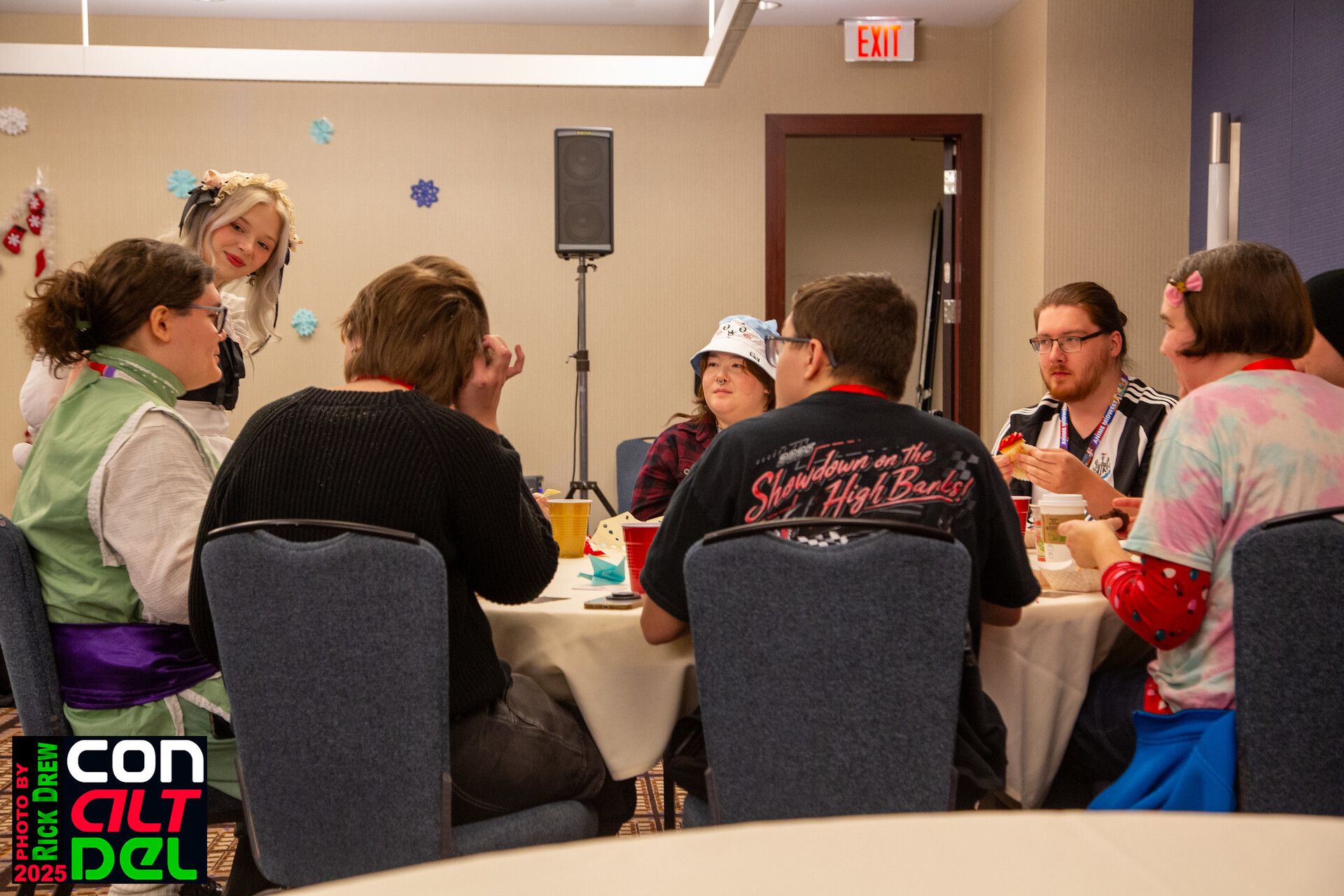
The ConSweet is legendary for a reason: free ramen, rice, snacks, and soda available all weekend. It’s a lifesaver between events and a social hub where people decompress.
The Maid Café offers a playful, themed experience inspired by Japanese cafés, adapted for convention audiences. It’s structured, ticketed, and surprisingly charming—though tickets can sell out, so planning ahead helps.
Guests, Autographs, and Why Timing Matters More Than You Think
Meeting guests is one of those Anime Midwest experiences that feels exciting and slightly chaotic at the same time—in a good way, if you plan it right. The convention brings in a wide mix of voice actors, musicians, creators, performers, and industry professionals, and for a lot of attendees, this is their one chance to meet someone whose work they’ve been following for years.
Autograph sessions are usually a blend of free and paid signings, which already sets Anime Midwest apart from a lot of conventions. Some guests offer a free autograph during scheduled sessions, while others charge a fee, especially for additional items or premium experiences. Knowing this ahead of time helps you avoid that awkward moment where you’re holding a DVD, staring at the table, and realizing you should’ve stopped by an ATM first.
Timing is where things really get important. Autograph sessions happen at specific windows, and those windows can overlap with everything else you want to do—panels, stage shows, cosplay meetups, or yes, the rave dances. If you don’t check the schedule early, it’s very easy to end up choosing between meeting a favorite voice actor and catching a must-see event you’ve been hyped about all weekend.
Lines also matter. Some guests draw longer waits than others, and that wait time can quietly eat half your afternoon if you’re not careful. Planning your autograph stops during slower parts of the day—like early afternoons or gaps between major stage events—can make a huge difference in how relaxed the experience feels.
Another thing people forget: guests are people, not vending machines. Sessions have time limits, and staff are there to keep things moving so everyone gets a chance. Having your item ready, knowing what you want signed, and keeping conversations short but genuine helps everything flow better. A quick “thank you” and a smile go a long way.
For first-time attendees especially, the best strategy is balance. Pick one or two guests you really want to meet, plan around those sessions, and let the rest of your schedule stay flexible. That way, you don’t feel rushed, stressed, or disappointed when two great things happen at once.
Done right, guest interactions feel personal, exciting, and memorable—not like you spent your con staring at the back of someone’s backpack. And that’s the difference timing makes.
Tickets, Timing, and Practical Advice
Badges are reasonably priced, with weekend badges around $50 and day passes at $40. VIP options exist for those who want extra perks. Buying tickets early usually means better prices and less stress.
For first-timers: pace yourself. You don’t have to do everything. Pick one big event per day, build around it, and leave room to rest. Hydrate, eat real food (thank you, ConSweet), and don’t feel bad skipping a rave if your social battery is empty.
For veterans: try something new. If you always rave, try a panel. If you always shop, watch a stage show. Anime Midwest rewards variety.
So… Are the Rave Dances for You?
Anime Midwest’s rave dances are exciting, loud, and high-energy—but they’re also planned, intentional, and respectful of attendee comfort. They’re not mandatory, they’re not chaotic for chaos’s sake, and they’re only one option in a weekend packed with alternatives.
Whether you dance until your feet hurt or wave glowsticks for three songs and call it a night, the important thing is knowing what to expect—and choosing what fits your version of a perfect con weekend.
And that, honestly, is Anime Midwest done right.