- it'smejaimie
- Posts
- The Exhibit Hall at Anime Midwest: Planning, Budgeting, and Browsing Without Stress
The Exhibit Hall at Anime Midwest: Planning, Budgeting, and Browsing Without Stress

Jamie Colman
January 24, 2026
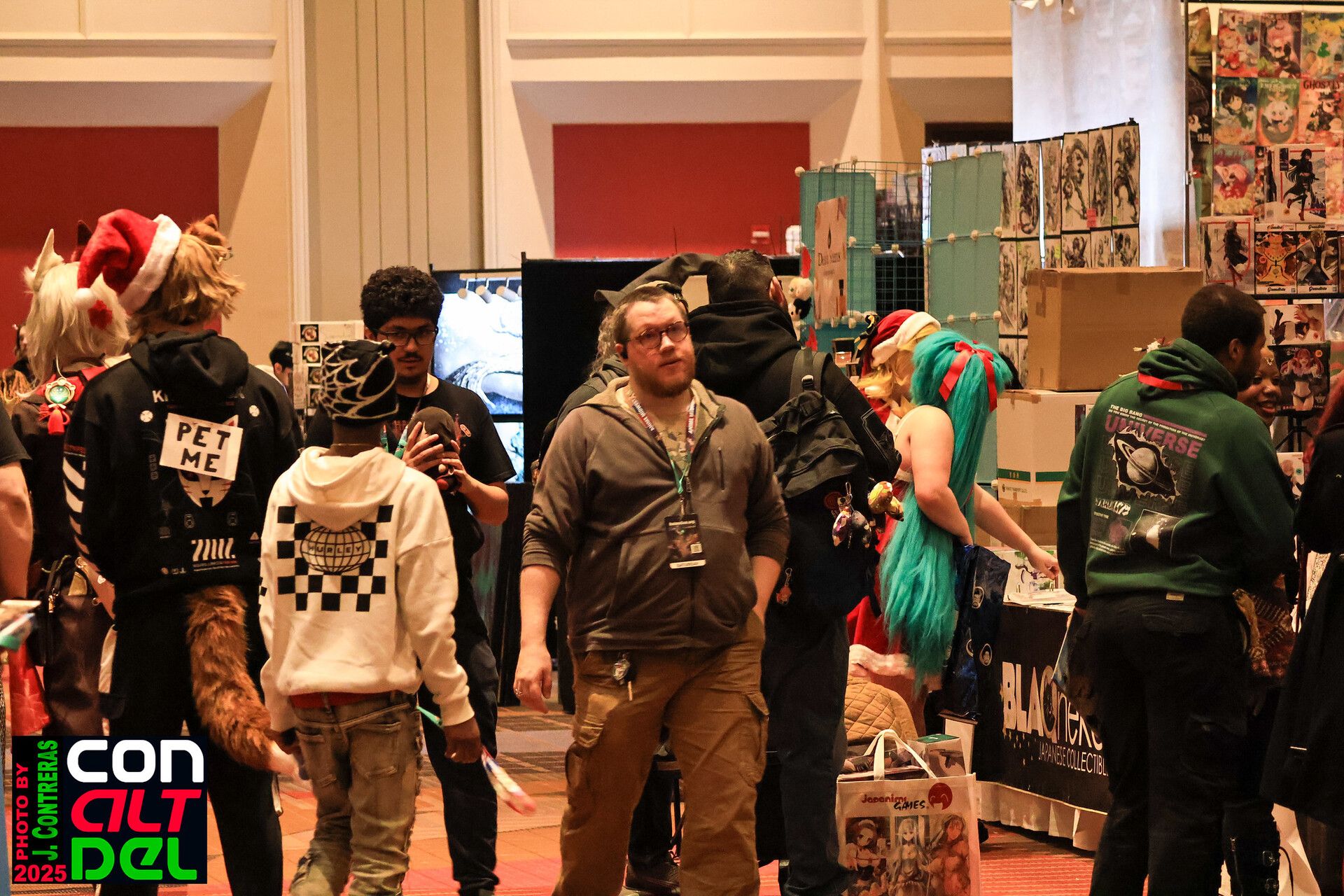
If Anime Midwest were a city, the Exhibit Hall would be its downtown. It’s where energy concentrates, money quietly disappears, and time somehow bends. You step in thinking, I’ll just take a quick lap, and two hours later you’re holding a poster tube, a tote bag full of enamel pins, and a sudden, intense emotional attachment to an artist you met twelve minutes ago.
The Exhibit Hall at Anime Midwest is where intentions go to be politely ignored. You walk in telling yourself you’re “just looking.” Ten minutes later, you’re holding a print you didn’t know existed, seriously considering a cloak you have nowhere to wear, and doing mental gymnastics to justify why enamel pins don’t count as real money.
And honestly? That’s part of the fun. But it’s also why the Exhibit Hall deserves a little strategy.
Anime Midwest runs July 3–5, 2026, at the Donald E. Stephens Convention Center, 5555 North River Road, Rosemont, IL 60018, and its Exhibit Hall is one of the busiest, liveliest parts of the weekend. When you know how it works—how crowds move, how vendors operate, and how your own energy fluctuates—it stops feeling overwhelming and starts feeling… manageable. Even enjoyable. Maybe even empowering. (Okay, that might be a stretch, but you’ll at least keep your sanity.)
How the Exhibit Hall Actually Flows (And Why Timing Matters)
The Exhibit Hall isn’t static. It changes personality depending on the time of day and the day of the weekend.
Friday tends to be the calm before the storm. Vendors are freshly set up, shelves are full, and artists still have the energy to chat. If you want real conversations, thoughtful browsing, and fewer elbows, Friday morning and early afternoon are gold.
Saturday is peak chaos—in the best and worst ways. This is when everyone shows up at once. Cosplayers flood in after photoshoots, panel rooms empty all at once, and suddenly the aisles feel alive and loud. It’s electric, exciting, and also the point where decision fatigue hits hardest. Saturday is great for people-watching and vibes, but not ideal for slow, contemplative browsing.
Sunday is quieter again, though the experience shifts. Some vendors may be low on stock, while others are more open to deals so they don’t have to pack everything back up. Artists are often more relaxed, and conversations feel easier again. If you’re okay with slightly slimmer pickings, Sunday can be surprisingly pleasant.
Knowing this rhythm helps you plan. Browse early. Buy intentionally. Save high-energy wandering for later.
Vendors, Artists, and Why the Difference Matters
Anime Midwest’s Exhibit Hall is a mix of big vendors and independent creators, and understanding who you’re talking to changes how you interact.
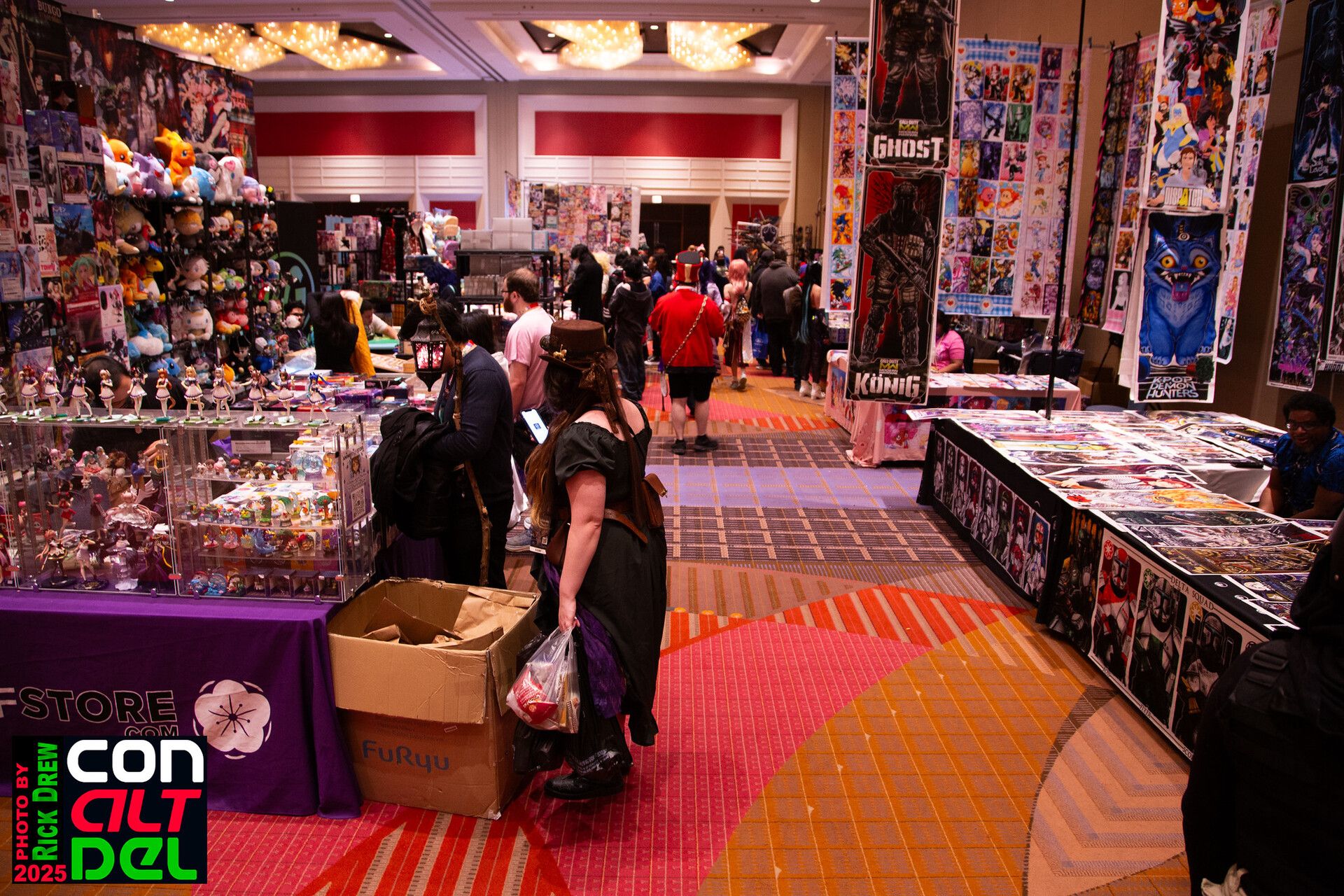
Large vendors usually sell mass-produced items: figures, plushies, cosplay accessories, DVDs, snacks, and collectibles you’ve probably seen at other conventions. These booths are built for speed and volume. It’s okay to browse quickly, compare prices, and move on without guilt.
Independent artists operate on a totally different wavelength. Many of them designed, printed, cut, packed, and transported their work themselves. When you stop at their booth, you’re not interrupting a sales machine—you’re stepping into a personal project. Asking about inspiration, fandoms, or process isn’t awkward; it’s welcome.
A quick way to tell the difference? If the art style feels unique and cohesive, or the products look handmade or limited-run, you’re probably looking at an independent creator. Treat those interactions a little more gently. You don’t need to buy anything, but respect their time and space.
Budgeting Without Ruining Your Mood
Let’s be blunt: the Exhibit Hall will eat your money if you let it.
The trick isn’t to spend less—it’s to spend on purpose.
Decide on a number before you arrive. A real number. One you won’t regret later. Mentally divide it into two parts: money for things you already want, and money for surprises you didn’t see coming. That second category is important. It keeps you from feeling guilty when something genuinely cool appears out of nowhere.
Cash is still useful, especially for artists. Internet connections fail, card readers glitch, and cash tips are always appreciated. That said, digital spending adds up fast because it doesn’t feel real. Check your balance occasionally. Future You will appreciate it.
If something catches your eye but you’re unsure, walk away. Do another lap. If you’re still thinking about it later, that’s usually your answer. Panic-buying rarely feels good afterward.
Carrying Your Stuff Without Becoming Miserable
You don’t realize how heavy art prints are until you’ve been carrying them for three hours.
Plan how you’ll carry purchases before you buy them. Poster tubes protect art and your patience. Tote bags distribute weight better than plastic bags. Backpacks are convenient but dangerous—they encourage overbuying and make tight aisles trickier to navigate.
If you’re staying nearby, consider drop-off trips. Anime Midwest’s location near hotels makes it easier to unload and reset, especially if you’re serious about shopping.
Your shoulders will thank you.
Basic Exhibit Hall Etiquette (That Somehow Still Needs Saying)
A little awareness goes a long way.
Ask before taking photos. Don’t block aisles while debating purchases. If a booth is busy, save long conversations for later. Touch items gently and only when invited—especially handmade goods.
You are allowed to browse without buying. You are allowed to compliment art and move on. You are not allowed to aggressively haggle with small creators or monopolize their attention while others wait.
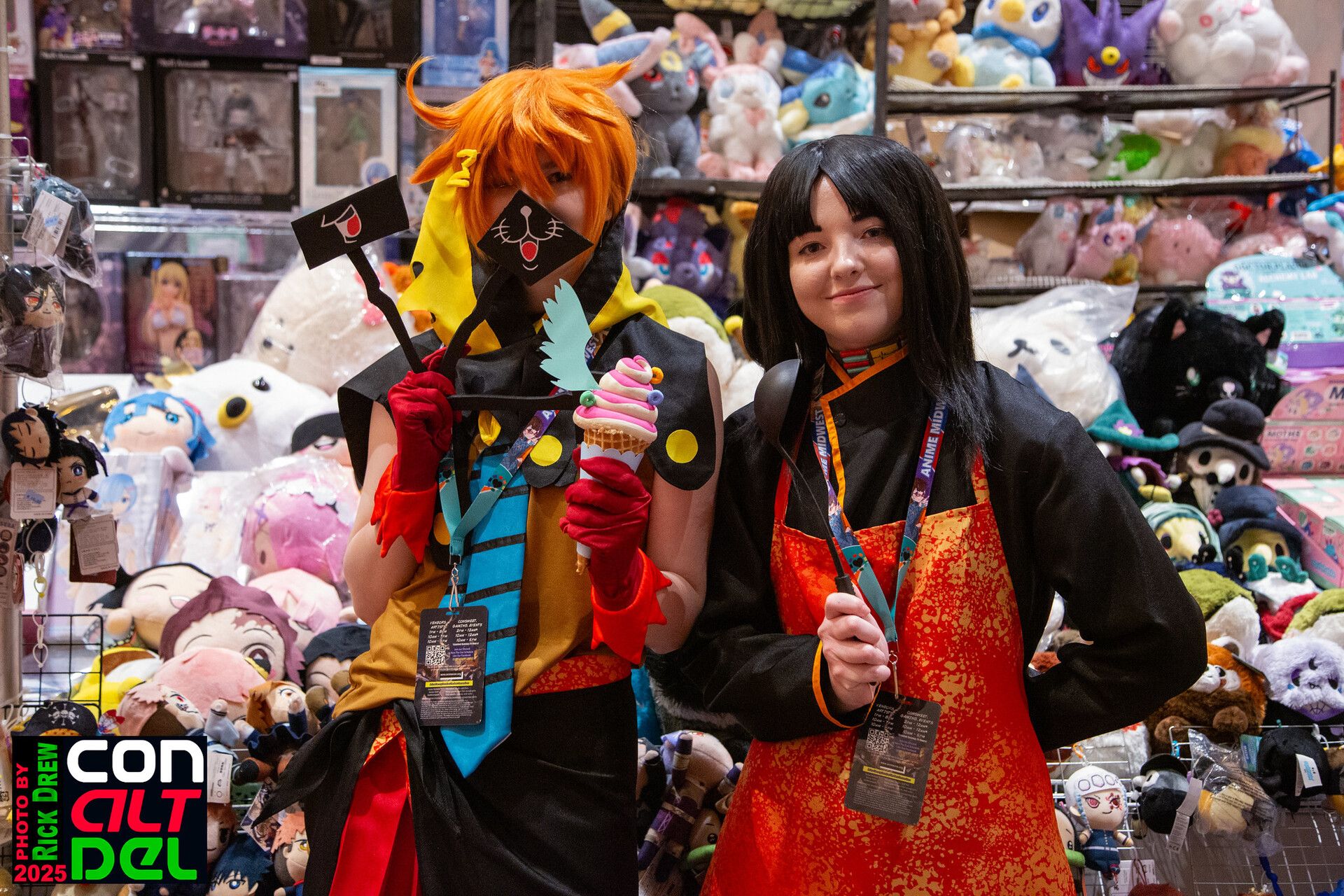
Most vendors remember kindness longer than sales totals.
How the Exhibit Hall Fits Into the Bigger Anime Midwest Picture
It’s easy to treat the Exhibit Hall like the main event. It’s loud, colorful, packed with things you want, and constantly pulling you back in with a “just one more aisle” kind of energy. But Anime Midwest works so well because the Exhibit Hall isn’t the whole story—it’s the anchor. Everything else orbits around it, giving your weekend rhythm instead of turning it into one long shopping spree.
Think of the Exhibit Hall as your home base. You pop in, browse a bit, maybe make a purchase or two, then head out to experience something completely different before coming back later with fresh eyes. That push and pull is what keeps the weekend from feeling overwhelming.
One of the biggest counterbalances to shopping is the Grand Cosplay Contest, also known as the Masquerade. This is where cosplay shifts from hallway admiration to center stage. You’re not just seeing costumes; you’re seeing craftsmanship, performance, and storytelling rolled into one. The lighting, judges, and professional setup elevate the experience, and even if you never plan to compete, watching reminds you that cosplay isn’t just about looking cool—it’s about creativity, dedication, and community recognition.
Then there are the Friday and Saturday Epic Dances, which completely flip the vibe. After hours of walking, browsing, and thinking, the dance floor becomes a pressure-release valve. DJs, lighting, and a crowd that’s fully committed to having a good time turn exhaustion into momentum. You don’t need to dance well. You just need to show up. These nights feel loud, joyful, and communal in a way that recharges you for the next day.
If you want something interactive but not high-energy, the Escape Rooms are an easy win. Cabin of the Cackling Man leans spooky and mysterious, while Isekai Fantasy: Crypt of the Warlock Fiend goes full fantasy roleplay, assigning powers and classes that reward creativity and teamwork. These experiences pull you completely out of shopping mode and drop you into problem-solving mode, which makes returning to the Exhibit Hall afterward feel fresh instead of repetitive.
The ConSweet is the unsung hero holding the whole weekend together. Free ramen, rice, and soda all weekend isn’t flashy, but it’s essential. It gives you a place to sit down, refuel, and talk to people without pulling out your wallet again. It’s where spontaneous conversations happen, plans get made, and people quietly recover from sensory overload before diving back in.
The Formal Fantasy Cosplay Ball offers yet another tonal shift. This isn’t chaotic con energy—it’s intentional, relaxed, and surprisingly accessible. Semi-formal attire sets the mood without feeling exclusive, and the pre-ball dance lessons remove the pressure entirely. Even if you’ve never danced before, the atmosphere is welcoming and low-stakes. It’s elegant without being stiff, social without being awkward, and a reminder that conventions can slow down when they want to.
Layer on concerts with immersive lighting and sound, autograph sessions that bring fans face-to-face with industry guests, maid café experiences that lean playful and theatrical, and meetups where shared interests turn into actual friendships. Add karaoke, where bravery matters more than pitch, plus videogaming lounges, tabletop gaming rooms, arcade spaces, and cosplay photoshoots that fill hallways with color and movement.
When you step back and look at it all, the Exhibit Hall stops feeling like the center of everything and starts feeling like part of a carefully balanced ecosystem. You shop, then you experience. You browse, then you connect. You buy something cool, then you make a memory that doesn’t fit in a bag.
That balance is what makes Anime Midwest work. The Exhibit Hall draws you in—but everything around it gives you reasons to step away, breathe, and come back excited instead of overwhelmed.
Fan-Run Panels: Curiosity Is the Point
If the Exhibit Hall is Anime Midwest’s bustling downtown, fan-run panels are the side streets where you accidentally discover your new favorite café. They’re quieter, a little unpredictable, and often way more interesting than you expected when you sat down.
Because these panels are submitted and hosted by fans, not programmed from the top down, they don’t stay neatly inside the usual “anime-only” box. Sure, you’ll find discussions about favorite series, cosplay tips, and fandom debates—but that’s just the starting point. Once fans are given a microphone and a room, curiosity tends to wander, and that’s where things get fun.
You might wander into a panel that could focus on selling event tickets effectively, breaking down what actually gets people to show up and what quietly scares them away. Another session might tackle cultural faux pas to avoid when traveling to Japan—less “textbook etiquette” and more “things no one warned me about until it was too late.” These kinds of panels often feel like someone saving you from a future mistake, which is always appreciated.
Elsewhere, a panel could explore how virtual reality is being used in classrooms, blending tech curiosity with real-world education. Right down the hall, someone might be walking attendees through the basics of digital marketing, explaining algorithms in plain language instead of buzzwords. And yes, you may also find a fan who just really wants to explain how to make a game—from early concepts to mechanics to why balancing is harder than it looks.
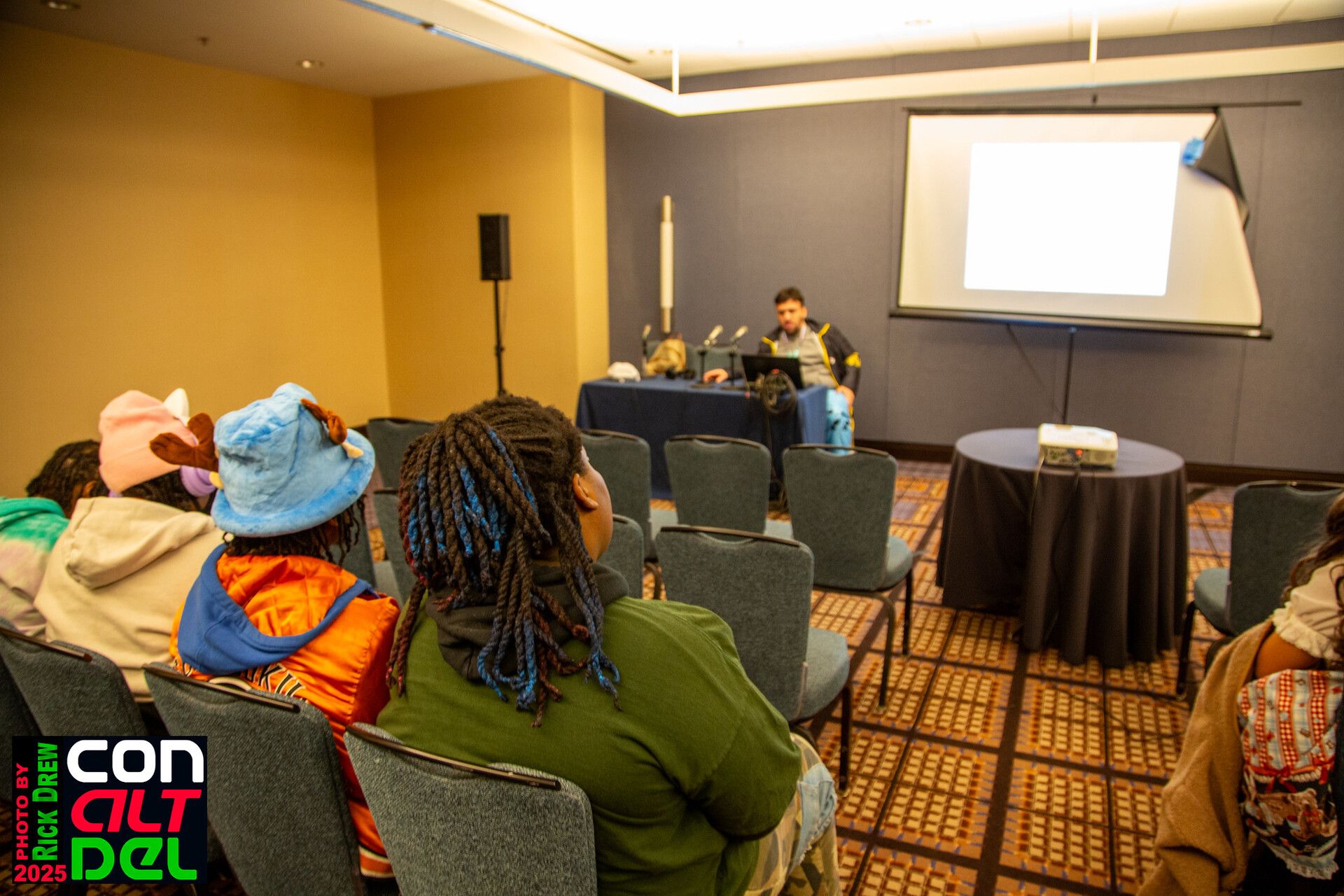
Some panels lean into lifestyle topics that feel surprisingly at home at a convention. A host might share their experience with tiny house living and how downsizing changed their priorities. Another panel could focus on learning basic Chinese, framed around practical phrases and cultural context rather than rote memorization. You might even catch a session on herb gardening, especially aimed at apartment dwellers who want fresh basil without turning their living room into a jungle.
Food-related panels also tend to sneak in, often with a sense of humor. One host might walk through cocktail basics with a nerdy twist, while another could cover baking essentials—what actually matters, what’s optional, and how most baking disasters are still edible. A minimalist kitchen panel might appeal to anyone who’s tired of owning seven spatulas and using one.
Career and big-picture panels show up too. Someone could talk about careers in AI technology without assuming everyone already knows how to code. Another fan might break down the realities of launching a startup, focusing less on hype and more on lessons learned the hard way. Streaming services come up often as well, whether that’s content creation, platform comparisons, or the behind-the-scenes realities people don’t see.
You’ll also find panels that are quieter and more reflective. A discussion might explore meditation as a practical tool for managing stress, especially in high-energy spaces like conventions. Another panel could examine men’s rights or social issues from a personal, discussion-based angle, shaped by the host’s experiences rather than a lecture format. These sessions tend to invite listening as much as talking, and they often linger in your thoughts long after you leave the room.
Tickets and Why Early Planning Helps
Anime Midwest offers multiple badge options, including weekend, single-day, and VIP tiers. Weekend badges generally offer the best value, especially if you plan to explore everything the convention has to offer.
Securing tickets early often means discounted rates and better access to limited-capacity events like the Maid Café and Escape Rooms. Waiting rarely improves the experience. Planning almost always does.
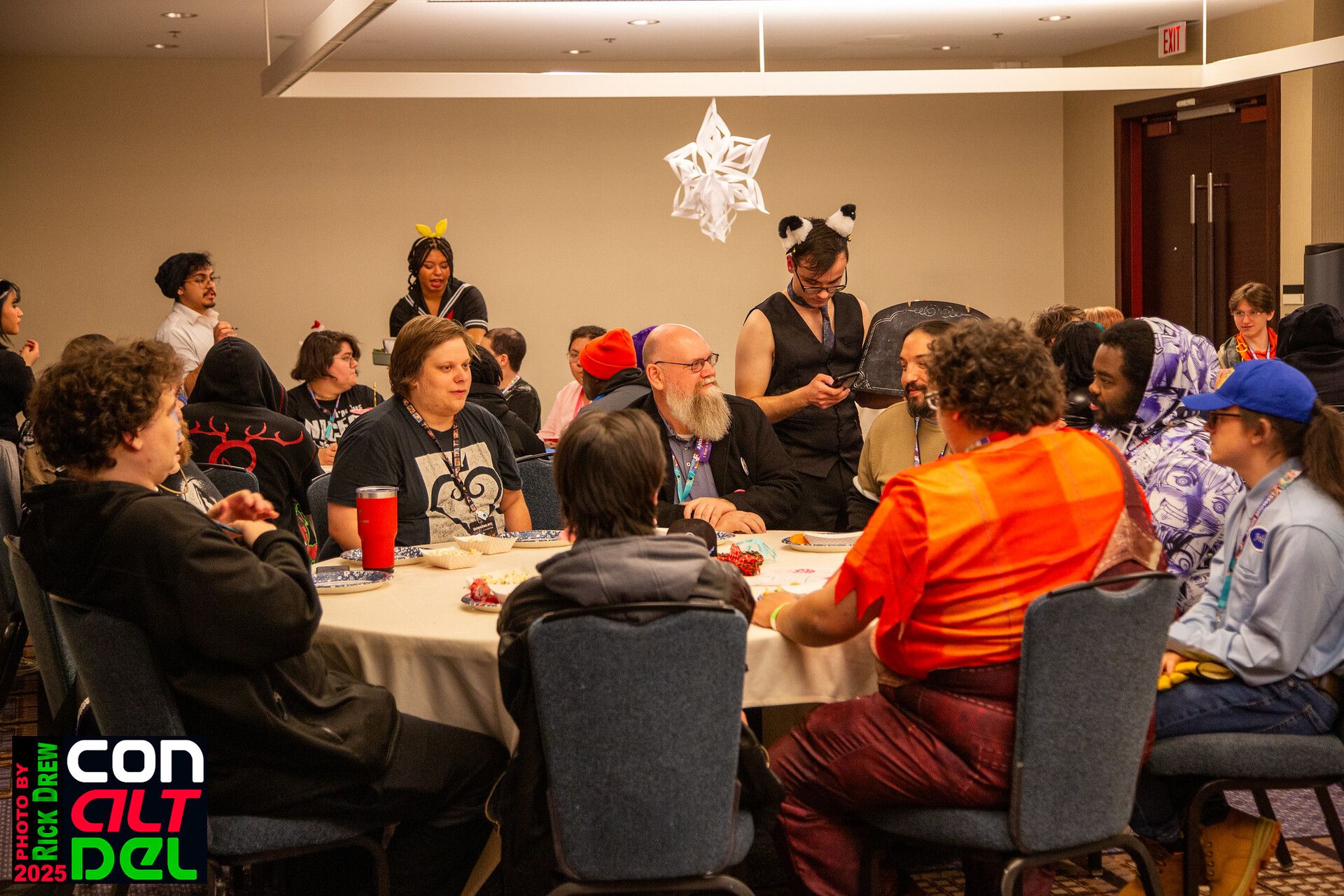
Wear shoes you trust. Drink water even when you don’t feel thirsty. Eat real food occasionally. Schedule downtime like it’s an event.
You don’t need to do everything. Anime Midwest hosts over 100 events. Pick what genuinely excites you, not what you feel obligated to attend.
The Exhibit Hall will still be there tomorrow.
Walking Away With More Than Purchases
The best Exhibit Hall experiences aren’t about how much you buy—they’re about how present you are while you’re there.
When you plan your time, pace your spending, and interact thoughtfully with vendors and artists, the hall stops feeling overwhelming and starts feeling human. It becomes a place where creativity circulates, conversations happen, and fandom turns into something tangible.
You’ll leave with bags, sure. But you’ll also leave with stories. And those tend to last longer than merch ever does.